
Networks connect people
Our unique approach to building and maintaining active advocacy networks helps to empower governments, foundations, companies, not-for-profits, and NGOs to collaborate more effectively and drive transformative change.
If you are excited about the challenge of creating positive impact, and building dynamic networks of like-minded individuals, then we are the perfect partner for you.
There are many ways we can partner together on this exciting journey towards a brighter and more connected future. Let’s make it happen together.
“Pay attention to what makes you feel energized, connected, stimulated - what gives you your juice. Do what you love, give it back in the form of service, and you will do more than succeed. You will triumph." ~ Oprah Winfrey
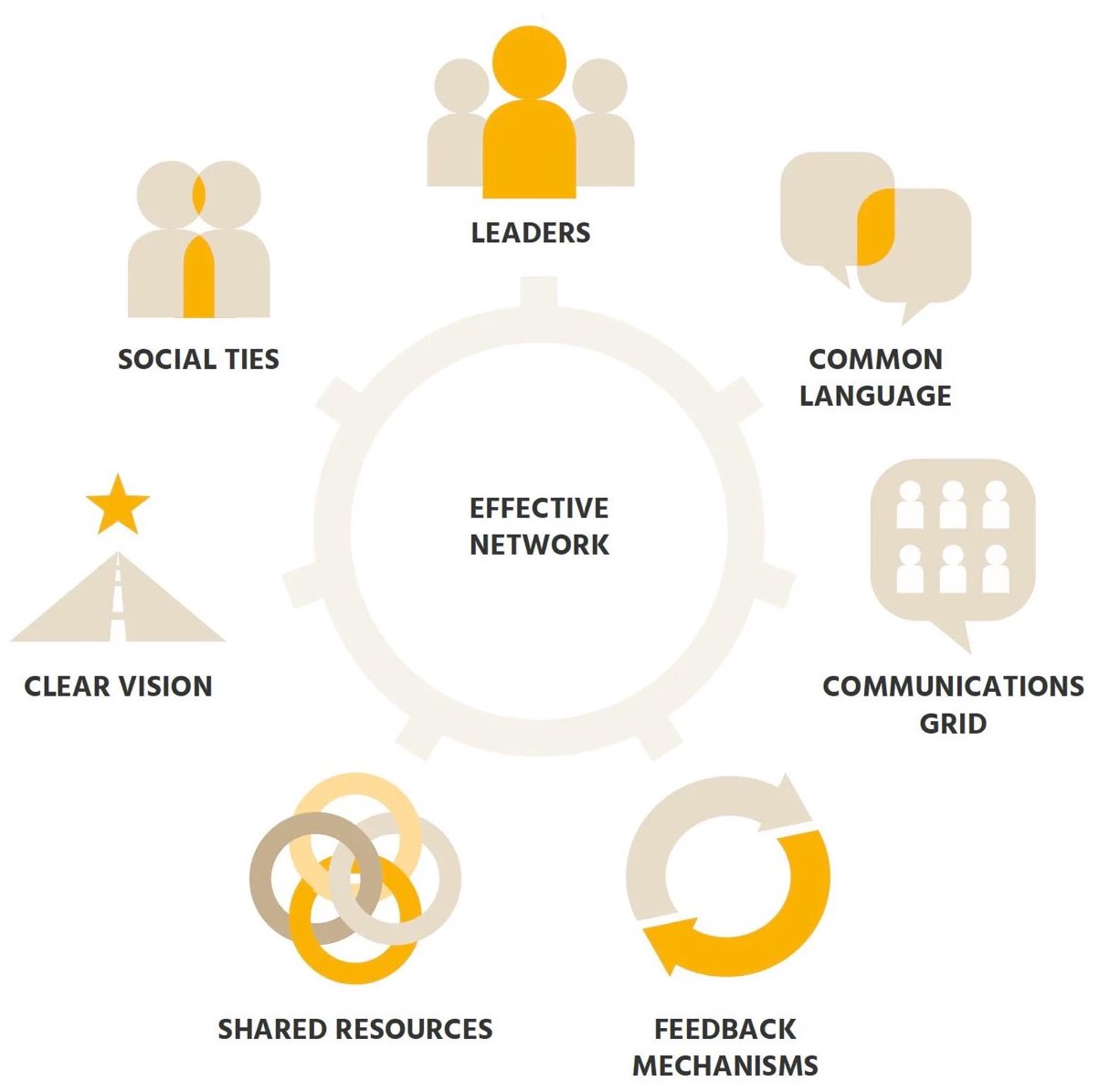
At Netcentric Campaigns, we know that building effective advocacy networks is the backbone of success – regardless of which social or environmental issues you are trying to tackle. Whether you are fighting to protect endangered species, battling against the harmful effects of big business, or working hard to drive important social change – having a dynamic and proactive network of allies and advocates is essential to making a difference.
The truth is, anyone can build a network. But very few can build an effective and responsive network of enthusiastic people working together to drive change. This is what sets Netcentric Campaigns apart.
For decades we have made it our mission to overcome and embrace the challenges and nuances inherent in advocacy network building. We provide you with the tools, insights and knowledge to tackle seemingly impossible social issues. Our team is committed to fostering vibrant communities of enthusiastic people and partners – with the goal of accelerating the success of your social cause work.
Our team is incredibly good at what we do, and we are ready to partner with you to learn more about the networks you are building and how we can support and enhance your efforts. Let’s build a world where every social cause has the network power to generate real change. Together, we can build a better future for everyone.
Let's work together to achieve your goals
Whether you're grappling with the complexities of establishing an advocacy network, yearning to positively impact the world, or eager to help our organization in driving more significant change – we want to connect with you and help you reach your goals.
Support our efforts and help us magnify our impact
Looking for a meaningful way to make a difference? Consider donating to support the organizations and causes that Netcentric is passionate about helping. Your donation has the power to fuel movements and create lasting change. By donating, you can help us support initiatives that address pressing issues like poverty, inequality, climate change, and more. Your contribution, will help to create a brighter future for all of us.
Become a part of one of our networks and drive real change
Join the fight for positive social change through Netcentric Campaigns! We support a wide range of causes and initiatives, and you will be part of a community of like-minded individuals dedicated to creating a better future for everyone. You’ll have access to tools and resources to help you amplify your voice, and make a meaningful impact. Don't just sit on the sidelines – join the fight today and be a part of the movement for positive social impact.
Let’s partner together to build your dynamic advocacy network
Do you feel like you are hitting a roadblock when it comes to building an effective advocacy network? Are you looking for a partner to support your efforts to drive positive change in the world? Are you working on an advocacy project, but having trouble getting the enthusiasm and action you need? These are the issues we tackle every day, and we’re confident we can help you. Let’s connect and discuss how we can make a real difference together.
We Empower Change Makers
Learn more about our organization’s mission and values, and discover what drives our unwavering dedication to helping clients and partners create positive social change.
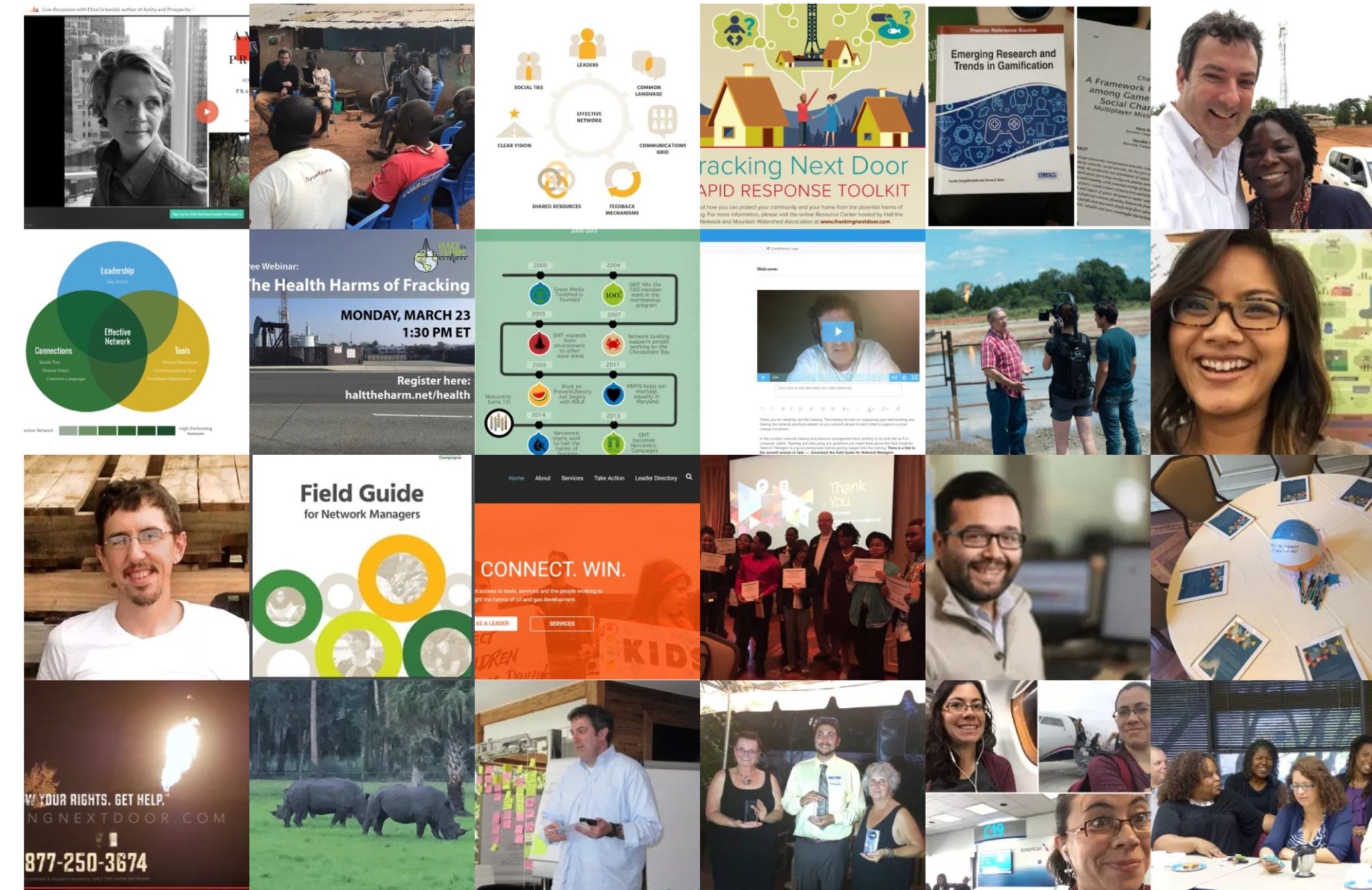
Our Results Speak Volumes
We are proud of what we do, and the feedback we receive from the people and organizations we partner with makes all the hard work worth it.

Joan Diamond
Global leader, fighting for biodiversity and civilization in the climate crisis
"Incisive help on understanding networks and their power. In-depth consulting on how to use a connected world to foster the change so desperately needed."

Veronica Ayi-Bonte
Global leader in the drive to expand WASH access to people who need it
"A strategy that evokes these two twi proverbs: 'duako gye mframa a ebu' ('if a tree stands in the path of the wind alone, it falls') and 'dua ko ntumi nyϵ kwae' ('a single tree cannot make a forest')"

Barbara Arrindell
One of the first to raise awareness of the dangers of fracking
“You have helped! By showing how to say things clearly without any extras - but with a punch!”

Dwayne Proctor
Visionary leader and career advocate for public health
“A friendly, skilled and battle-tested public health campaigner who mobilizes large-scale networks of people to successfully drive social change.”

Briget Shields
Visionary and compassionate leader behind Shalefield Stories - Friends of the Harmed
"We are grateful for the Halt the Harm Network and the collaboration with Leaders from different areas. Working together to help those who have been abandoned by the industry that harmed them, and our government has given these people hope."
Samantha Rubright, DrPH, CPH
Dedicated to environmental protection, one of the leaders behind FracTracker Alliance
"The folks at Netcentric Campaigns are not only incredible visionaries, but also fantastic to work with."
Featured Project
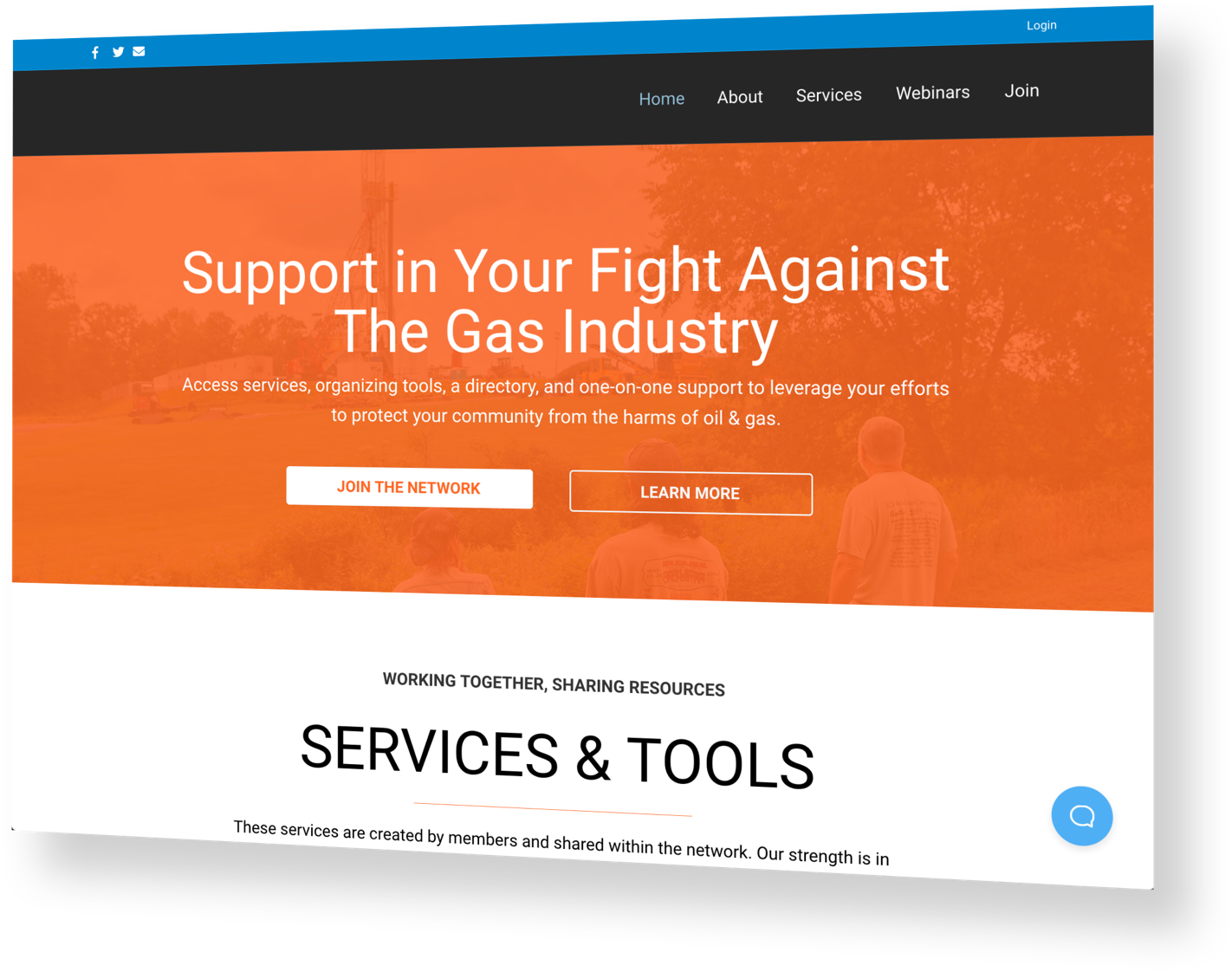
Halt the Harm Network: People fighting the harms of fracking and oil and gas development.
Netcentric Campaigns is supporting leaders and applying our design methods and framework to help halt the harms of oil and gas development.
Building a powerful network to create change requires a careful, disciplined investment in strategies designed to make meaningful connections among the people who make change happen.
Featured Project
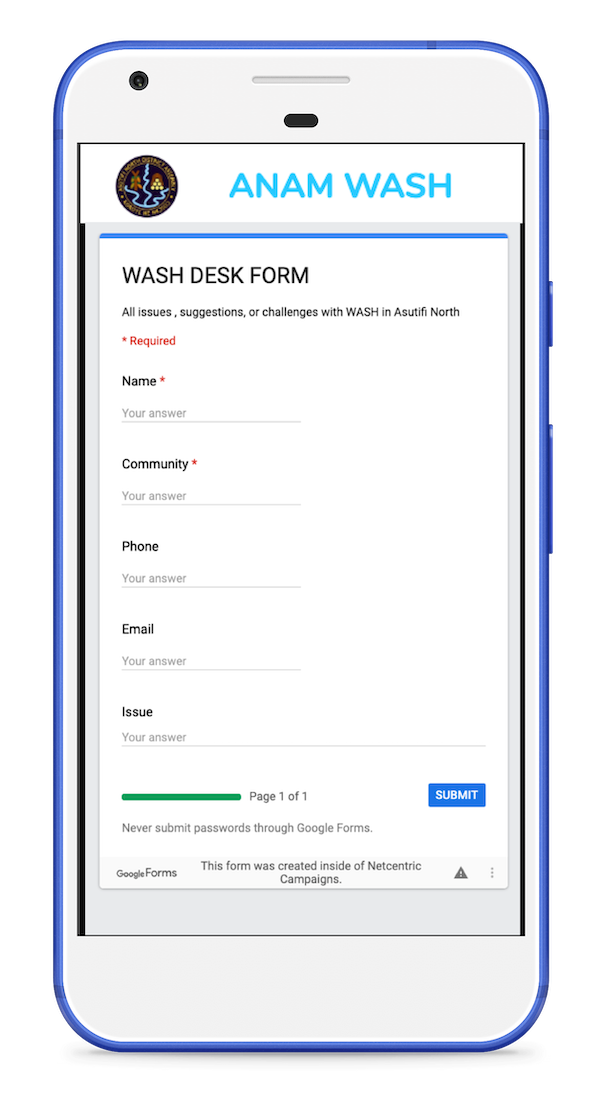
Asutifi North Ahunadie Mpontuo: Life-saving water, sanitation, and hygiene services to 85,000 people in Ghana.
Netcentric Campaigns is supporting local and global leaders with training and consultative support to build connections needed to undertake the large-scale project in Asutifi North, Ghana.
The ANAMWASH project in Asutifi supports collaboration and builds rituals and practices needed to foster deeper ties among the key stakeholders. The work creates the mechanisms for peer-to-peer coordination, opens feedback from users of water systems, and works on culture shifts required to support the vision of the local government and leaders.